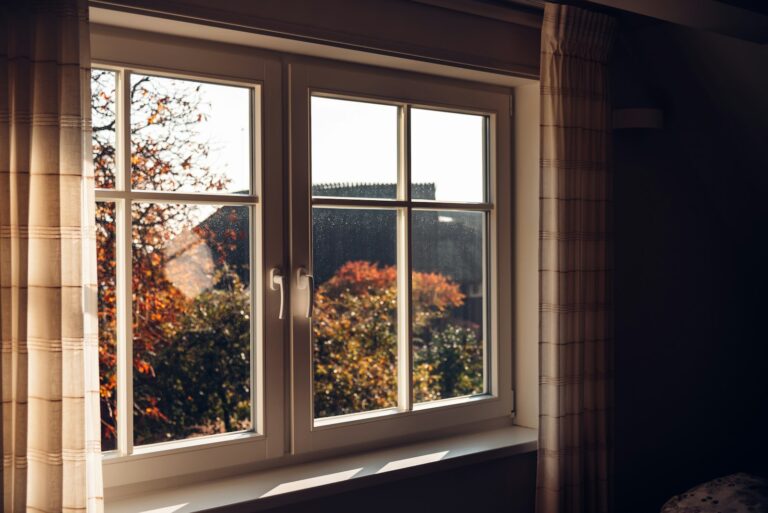
uPVC sash windows cost roughly half the price of timber and need almost no maintenance, which is why they are so popular. But timber looks more authentic, lasts longer when cared for and is often the only option allowed in conservation areas. This guide compares the two on price, appearance, lifespan, energy efficiency and planning rules, so you can choose the right sash windows for your home and budget.
Quick comparison
| uPVC sash windows | Timber sash windows | |
|---|---|---|
| Typical cost per window (fitted) | £600 to £1,200 | £1,200 to £2,500 (softwood), £1,800 to £3,500 (hardwood) |
| Look | Good on modern designs, chunkier frames | Authentic period look, slim frames and bars |
| Lifespan | Typically 20 to 35 years | 60 years or more if maintained |
| Maintenance | Wipe clean, no painting | Repaint every 5 to 8 years |
| Repairable | Limited, parts often need replacing | Highly repairable, rot can be cut out and spliced |
| Conservation areas | Often refused on front elevations | Usually accepted |
| Listed buildings | Almost always refused | Required in most cases |
What are uPVC sash windows?
uPVC sash windows are made from rigid plastic that is designed to look like a traditional timber sash. Most are vertical sliders with double glazing, and many have woodgrain finishes, run-through horns and slim glazing bars to make them look more authentic. Some cheaper versions are actually casement or tilt windows styled to look like sashes, so always check how a window opens before you buy.
The case for uPVC
- Lower price: typically about half the cost of an equivalent timber window.
- Low maintenance: no painting, no rot and no swelling in wet weather.
- Good insulation: modern uPVC sashes come double glazed as standard and many are A-rated.
- Tilt-in sashes: many models tilt inwards for easy cleaning, which is useful on upper floors.
The downsides of uPVC
- Appearance: frames, meeting rails and glazing bars are usually thicker than timber, which is noticeable on period houses.
- Planning restrictions: uPVC is often refused in conservation areas and almost never allowed on listed buildings. See our guide to replacing sash windows in a conservation area.
- Shorter life: uPVC can discolour and become brittle over time, and when parts fail the whole unit often needs replacing.
- Property value: on Georgian and Victorian houses, original-style timber windows are often seen as a selling point, while uPVC can put some buyers off.
The case for timber
- Authentic look: timber can match original mouldings, horns and glazing bar patterns exactly. That matters on a Victorian or Georgian home.
- Long life: well-maintained timber sash windows can last for generations, and many original windows are over 100 years old.
- Repairable: rotten sections can be spliced, cords replaced and sashes overhauled, often for a fraction of the cost of new windows. See sash window repair or replacement.
- Planning-friendly: timber is the safe choice in conservation areas and on listed buildings.
- Modern performance: new timber sashes can take slim double glazing or vacuum glass and come with spiral balances and draught seals built in.
The downsides of timber
- Higher price: expect to pay roughly double the cost of uPVC.
- Maintenance: timber needs repainting every few years and should be checked for rot, especially on sills and bottom rails.
- Longer lead times: made-to-measure timber windows often take several weeks to make.
Which is more energy efficient?
Both can be very energy efficient. A modern double glazed uPVC sash and a modern double glazed timber sash will perform similarly, because the glass makes the biggest difference. Timber is a natural insulator, while uPVC frames use internal chambers to trap air. If you want to keep your original windows instead, draught-proofing and secondary glazing can make a big difference for much less money.
Which should you choose?
Choose uPVC if: your home is not listed or in a conservation area (or only the rear windows are being replaced), your budget is tight, and you want windows you never have to paint.
Choose timber if: you live in a period property, a conservation area or a listed building, or you want windows that look original and can be repaired for decades.
Consider repair first if: your existing timber sashes are mostly sound. An overhaul with draught-proofing often costs much less than either option. See our sash window replacement cost guide for full prices.
Questions to ask before you buy
- Is it a true vertical sliding sash, or a casement made to look like one?
- How thick are the frames, meeting rails and glazing bars compared with my existing windows?
- Are the glazing bars real, bonded with a spacer bar, or stick-on?
- What is the energy rating, and is the installer registered to self-certify under building regulations?
- What guarantee covers the frame, glass, hardware and finish?
Get quotes from local sash window companies
The easiest way to compare is to get quotes for both materials. Find sash window companies near you, filter by uPVC or timber, and compare prices, guarantees and photos of past work.
Frequently asked questions
Are uPVC sash windows cheaper than timber?
Yes. uPVC sash windows typically cost £600 to £1,200 per window fitted, compared with £1,200 to £3,500 for timber, depending on the size and type of wood.
Can you put uPVC sash windows in a conservation area?
Sometimes on rear elevations or modern buildings, but uPVC is often refused on the front of period properties, especially where an Article 4 direction applies. Listed buildings almost always need timber.
How long do uPVC sash windows last?
Typically 20 to 35 years, depending on quality and exposure. Well-maintained timber sash windows can last 60 years or more and can be repaired rather than replaced.
Do uPVC sash windows look like real sash windows?
Good-quality uPVC sashes with woodgrain finishes, run-through horns and slim bars look convincing from a distance. Up close, the frames and bars are usually thicker than traditional timber.
What are the common problems with uPVC sash windows?
The most common issues are discolouration over time, broken balances that stop the sash staying open, and draughts from worn seals. Unlike timber, damaged frames usually cannot be repaired.
Plain-English guides to repairing, draught-proofing and replacing period sash windows, from the SashWindow.co team.
About our guides →