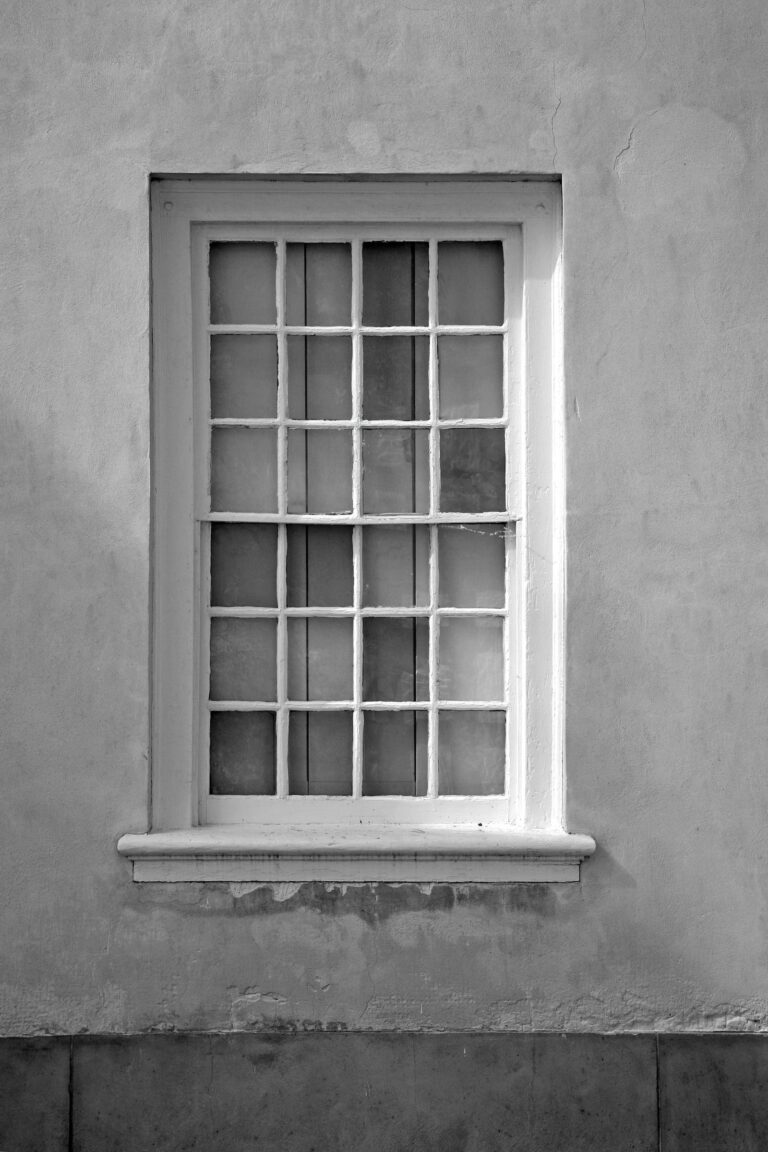
Every sliding sash needs a counterbalance so it stays where you leave it. Traditional box sash windows use cast-iron or lead weights hung on cords over pulleys, hidden inside the frame. Many modern windows use spiral balances instead: spring-loaded rods fitted in the side of the frame. Weights last for generations and suit period homes, while spiral balances allow slimmer frames but wear out sooner. Here is how to choose.
How each system works
Weights and pulleys: each sash is attached by cords that run over pulleys at the top of the frame to weights hidden in a box on each side. The weights match the weight of the sash, so it balances at any height. When a cord breaks, the weight drops and the sash no longer stays up.
Spiral balances: a twisted metal rod inside a tube is fixed to the frame and the sash. As the sash moves, the spring winds and unwinds, supplying the balancing force. No weight box is needed, so the frame can be slimmer.
Side-by-side comparison
| Weights and pulleys | Spiral balances | |
|---|---|---|
| Lifespan | Weights and pulleys can last indefinitely; cords need replacing every few decades | Springs typically wear out after 15 to 25 years |
| Typical repair cost | About £70 per cord, £150 for all four on a window | About £40 to £90 per pair of balances, plus labour |
| Smooth running | Very smooth when correctly weighted | Good, but can lose tension over time |
| Frame size | Needs a deep box frame | Allows a slimmer frame |
| Heavy glass | Easily handled by adding heavier weights | Need stronger balances rated for the weight |
| Authenticity | Traditional, preferred on period and listed homes | Modern |
When weights are the better choice
- Period and listed homes: weights are original to Georgian and Victorian box sashes. Conservation officers generally expect them to be kept. See our listed building windows guide.
- Long-term value: with occasional new cords, a weighted window can run smoothly for well over a century.
- Heavier glazing: when double glazing existing sashes, heavier weights can usually be fitted in the same boxes.
When spiral balances make sense
- New windows where a slimmer frame is wanted
- Frames without weight boxes, such as some later or replacement windows
- Cost-sensitive replacement windows, where balances are standard
Should you convert from weights to spiral balances?
Usually not. Converting removes the original mechanism, may need permission in a listed building and gives a shorter-lived system. Re-cording a weighted window is quick and cheap. See how to repair a sash window cord.
Converting the other way, from balances to weights, is only possible if the frame has room for weight boxes, so it is rarely practical without new frames.
Signs your balancing system needs attention
- The sash drops down or creeps up on its own
- One side sits lower than the other
- A cord is frayed, broken or missing
- You hear a knock inside the frame (a fallen weight)
- A spiral balance is loose, rusty or has lost its tension
These are all quick fixes for a specialist and are often done as part of an overhaul. For prices, see our sash window repair costs price list, and for a guide to every component, our sash window parts glossary.
Find a sash window repair specialist near you.
Frequently asked questions
Are weights or spiral balances better for sash windows?
Weights last longer and suit period homes; spiral balances allow slimmer frames on new windows. For original box sash windows, keeping the weights is usually best.
How long do spiral balances last?
Typically 15 to 25 years before they lose tension and need replacing.
How much does it cost to replace sash window weights or cords?
Re-cording costs about £70 for one cord or around £150 for all four on a window. Resetting or replacing weights costs about £60 to £150.
Can you add double glazing to a window with weights?
Yes. Heavier weights can usually be fitted in the existing boxes to balance the heavier sashes.
Sources
Prices and lifespans from the Best Builders sash window cost guide, updated September 2026.
Plain-English guides to repairing, draught-proofing and replacing period sash windows, from the SashWindow.co team.
About our guides →