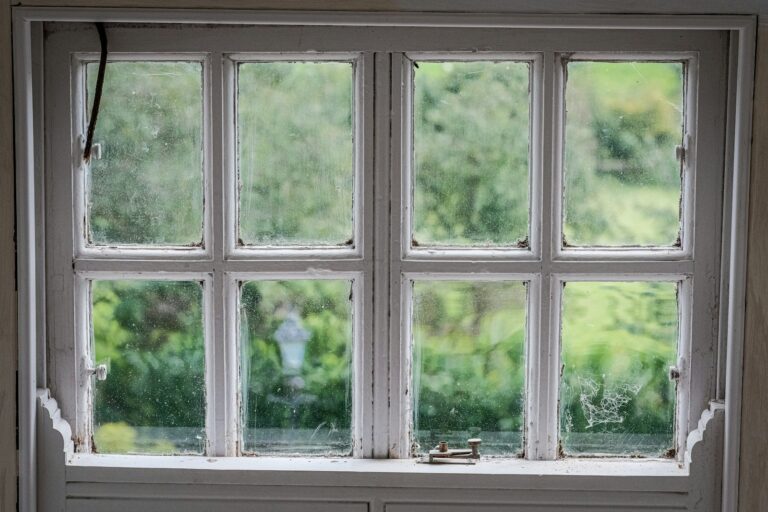
If your sash windows rattle, stick or let in draughts, it is tempting to think they need replacing. Often they do not. Many original sash windows can be repaired for a fraction of the cost of new ones and will last for decades more. This guide helps you decide which route is right for your home.
Quick condition check
Walk round each window and note the following:
- Is the timber soft? Push a screwdriver into the sill and the bottom rail of the lower sash. Small soft patches can be repaired; widespread soft, crumbly timber is a bigger job.
- Do the sashes move? Stiff or painted-shut sashes can usually be freed and eased.
- Are the cords intact? Broken cords are a routine repair.
- Is the glass cracked or loose? Glass and putty can be replaced.
- Is the frame square? Large gaps, a twisted frame or a frame pulling away from the wall can point to bigger problems.
When repair is the better choice
Repair is usually best when:
- the frames are mostly sound, even if paint is flaking and the sashes rattle
- the main problems are draughts, broken cords, sticking or small areas of rot
- the house is listed or in a conservation area, where original windows are valued
- you want to keep the original glass and character
Typical repair costs per window are around £50–£150 for new cords, £150–£450 for draught-proofing, £350–£750 for a full overhaul and £650–£1,200 for a full refurbishment with timber repairs and redecoration. Read more in our sash window repair guide.
When replacement makes sense
Replacement is worth considering when:
- rot is widespread, especially in the box frame and sill
- the windows have been badly altered or replaced with poor copies in the past
- you want a large improvement in energy efficiency that secondary glazing or slim double glazing cannot provide
- repair costs are approaching the price of new windows
A double-glazed timber replacement typically costs £1,200–£3,500 per window, and uPVC £600–£1,200. See our full guide to sash window replacement costs.
The middle option: new sashes, original frames
If the box frame is sound but the sashes are past saving, a joiner can make new sashes to fit the existing frame. This keeps the original frame, mouldings and internal finishes, avoids disturbing plaster, and can include slim double glazing. It often costs 30–50% less than a full replacement.
Energy efficiency
A repaired and draught-proofed single-glazed sash is far better than a draughty one, and adding secondary glazing or good curtains closes much of the gap with modern windows. If you want double glazing without losing the original frames, slim heritage units or vacuum glass can sometimes be fitted into existing or new sashes. See our double-glazed sash windows guide.
Planning and consent
Replacement windows in listed buildings almost always need listed building consent, and homes covered by an Article 4 direction may need planning permission to change their windows. Repairs carried out like-for-like are often allowed, but always check first. See our planning guide and Building Regulations guide.
How to get the right advice
Ask a specialist sash window company, rather than a general window installer, to survey your windows. A good specialist will tell you honestly which windows can be saved. Get more than one opinion if the advice is to replace everything.
Compare sash window repair and replacement specialists near you →
FAQs
Is it cheaper to repair or replace sash windows?
Repair is usually much cheaper. A full overhaul typically costs £350–£750 per window, compared with £1,200 or more for a new timber sash window.
Do repaired sash windows add value to a house?
Well-maintained original sash windows are an attractive feature of period homes, and keeping them in good order helps preserve the property’s character and appeal.
How long does sash window repair last?
A full overhaul with new cords and draught-proofing, plus regular painting, can keep sash windows working well for 20 years or more.
