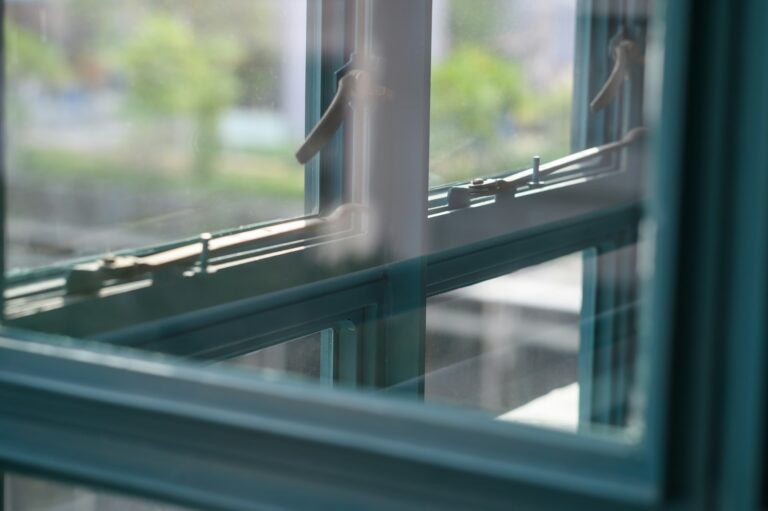
Often, yes. Many existing timber sash windows can be upgraded with slim double glazing or vacuum glass, which keeps the original frames and boxes while making rooms warmer and quieter. A retrofit typically costs £600 to £1,500 per window, compared with £1,200 to £3,500 for a new timber sash. Whether it works for your windows depends on the depth of the sashes, the condition of the timber and the planning rules where you live.
Your three options
| Option | What happens | Typical cost per window | Keeps original sashes? |
|---|---|---|---|
| Retrofit slim double glazing or vacuum glass | Existing sashes are rebated to take the thicker glass | £600 to £1,500 | Yes |
| New double glazed sashes in the existing box | The box frame stays; new sashes are made to fit it | Varies; less than a full new window | No, but keeps the frame |
| Secondary glazing | A slim second window fitted inside | £180 to £400 | Yes, untouched |
Option 1: double glazing fitted into existing sashes
Ordinary single glass is about 3 to 4mm thick. To fit double glazing, the specialist cuts a deeper rebate (the recess the glass sits in) into the existing sash and fits a thinner-than-normal sealed unit.
- Slim double glazing units are usually around 12 to 14mm thick. They need a reasonably deep sash and enough timber to rebate safely.
- Vacuum glazing is only a few millimetres thick but insulates about as well as standard double glazing. Because it is so thin, it often fits existing sashes with little or no rebating, which makes it a good choice for delicate period windows.
It works best when the sashes are in sound condition, the glazing bars are not too thin and the sashes are deep enough to take the new glass.
It may not work when the glazing bars are very slender (common on Georgian six-over-six windows), the timber is rotten, or the sashes are too shallow.
The weight problem
Double glazed and vacuum units are heavier than single glass, so the sashes will no longer balance on their original weights. The specialist will either add heavier weights in the box or convert the window to spiral balances. Our guide to sash window weights vs spiral balances explains the difference.
Option 2: new double glazed sashes in the old box
If the existing sashes are too thin or too rotten, a joiner can make new double glazed sashes to fit the existing box frame. This keeps the frame, linings and internal finishes intact and causes less disruption than a full replacement. It costs more than a retrofit but less than a whole new window.
Option 3: secondary glazing
If you cannot alter the windows at all, for example on a listed building, secondary glazing gives similar warmth and better noise reduction without touching the original sashes.
Planning and conservation rules
- Houses not in a conservation area or listed: you can usually upgrade the glazing without permission.
- Conservation areas: changing the glass in a house is usually acceptable if the windows look the same, but Article 4 directions and flats can need permission. See double glazed sash windows in a conservation area.
- Listed buildings: changing original glass needs listed building consent and is often refused. Vacuum glass or secondary glazing are more likely to be approved. Read our listed building windows guide.
What else to combine it with
A glazing upgrade is a good moment to do other work, because the sashes are already out:
- Draught-proofing the sashes and beads
- Repairing rot and re-cording, as part of a restoration
- Fitting locks and restrictors
Questions to ask an installer
- Can my sashes take slim double glazing, or do you recommend vacuum glass?
- How much timber will be removed when rebating?
- How will you rebalance the sashes for the extra weight?
- What is the U-value of the glass you propose?
- Will the new glass look right from the street (spacer bar colour, glazing bars)?
Find installers who fit slim and vacuum glazing near you.
For the cost of fully new double glazed windows, see double glazed sash windows: costs and options.
Frequently asked questions
Can you put double glazing in existing sash windows?
Often, yes. Slim double glazing or vacuum glass can be fitted into many existing sashes by deepening the rebate. Very thin or rotten sashes may need new sashes instead.
How much does it cost to double glaze existing sash windows?
A retrofit of slim or vacuum glazing typically costs £600 to £1,500 per window, depending on size, the type of glass and how much work the sashes need.
Is vacuum glazing better than slim double glazing?
Vacuum glazing is much thinner and insulates very well, so it often fits existing sashes with less alteration. Slim double glazing is usually cheaper. A specialist can advise which suits your windows.
Will my sash windows still open after double glazing?
Yes. The sashes are rebalanced with heavier weights or spiral balances so they slide and stay open as before.
Sources
Prices from the Best Builders sash window cost guide, updated September 2026.
Plain-English guides to repairing, draught-proofing and replacing period sash windows, from the SashWindow.co team.
About our guides →