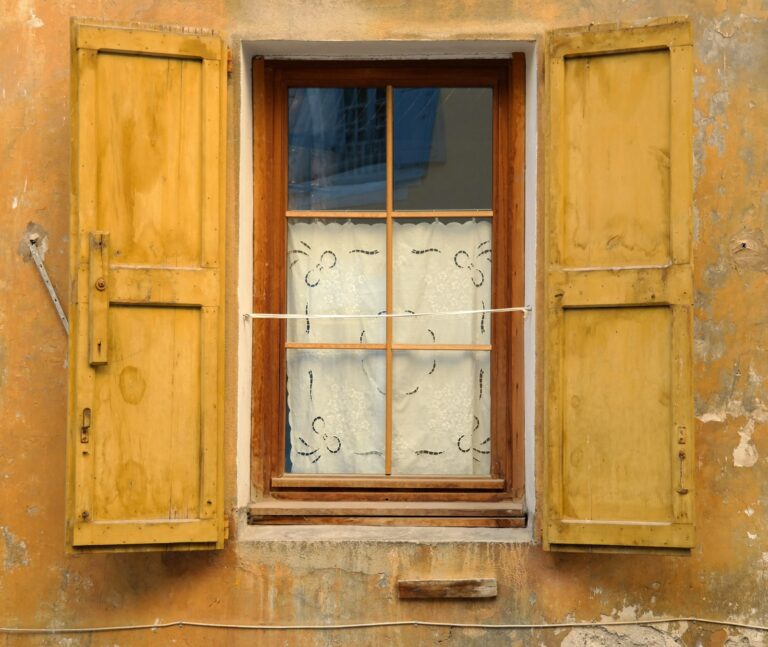
The right wooden windows for your home depend mostly on its age and style. Sliding sash windows suit Georgian, Regency and Victorian houses, while side-hung casement windows suit cottages, Arts and Crafts and many 20th-century homes. Casements are usually cheaper; sashes cost more but are essential to the look of most period terraces. This guide compares them so you can choose with confidence.
How they open
- Sash windows have one or two panels (sashes) that slide up and down in a frame, balanced by weights or springs. Read what are sash windows? for the full explanation.
- Casement windows are hinged at the side, top or bottom and swing open like a door.
Sash vs casement at a glance
| Timber sash | Timber casement | |
|---|---|---|
| Suits | Georgian, Regency, Victorian and Edwardian houses | Cottages, Arts and Crafts, 1920s to 1930s and modern homes |
| Opening | Slides vertically; doesn’t project into the room or outside | Swings out (or in); needs clear space |
| Ventilation | Very good: open top and bottom for a natural airflow | Good; can open fully |
| Cleaning | Easy with tilt-in sashes; harder with traditional boxes | Easy from inside if hinges allow |
| Security | Good with proper locks | Good with multi-point locks |
| Typical cost | Higher | Lower |
Which suits your house?
- Georgian and Regency (about 1714 to 1837): sash windows with slim glazing bars, typically six-over-six. See our Georgian windows guide.
- Victorian (1837 to 1901): sash windows, often two-over-two or one-over-one with horns. See our Victorian sash windows guide.
- Edwardian (1901 to 1914): sashes, often with small panes in the upper sash only.
- Cottages, Arts and Crafts and interwar homes: usually casements, sometimes with leaded lights.
- Modern homes: either, depending on the design.
The best guide is what the house was built with. Matching the original style protects its character and value, and in a conservation area or listed building it is often required.
Costs
Timber sash windows typically cost £1,200 to £2,500 per window in softwood and £1,800 to £3,500 in hardwood or Accoya, fitted. Timber casements are usually less, because the frame and mechanism are simpler. See our sash window replacement cost guide for detailed prices.
Choosing the timber
Both styles can be made from engineered softwood, hardwood or Accoya. Compare them in timber sash windows: softwood, hardwood or Accoya and our Accoya sash windows guide.
Wood or uPVC?
Wooden windows look more authentic, last longer and can be repaired, but cost more and need painting. uPVC is cheaper and low maintenance but often looks wrong on period homes. See uPVC vs timber sash windows.
Repair before you replace
If you already have original wooden windows, repairing them is often cheaper and better for the house than replacing them. See our sash window restoration guide.
Compare timber window installers near you.
Frequently asked questions
Are sash windows better than casement windows?
Neither is better in general. Sash windows suit Georgian and Victorian houses and give excellent ventilation; casements suit cottages and many 20th-century homes and usually cost less.
Can I replace sash windows with casement windows?
You can on many houses outside conservation areas, but it changes the character of a period home. In conservation areas and listed buildings, it usually needs permission and is often refused.
How long do wooden windows last?
Well-maintained timber windows typically last 40 to 60 years in softwood and longer in hardwood. Many original sash windows are over 100 years old.
Are wooden windows energy efficient?
Yes. Modern timber windows with double glazing perform well, and timber is a natural insulator.
Plain-English guides to repairing, draught-proofing and replacing period sash windows, from the SashWindow.co team.
About our guides →